
Window Replacement Cost Guide: Vancouver, WA (2026)
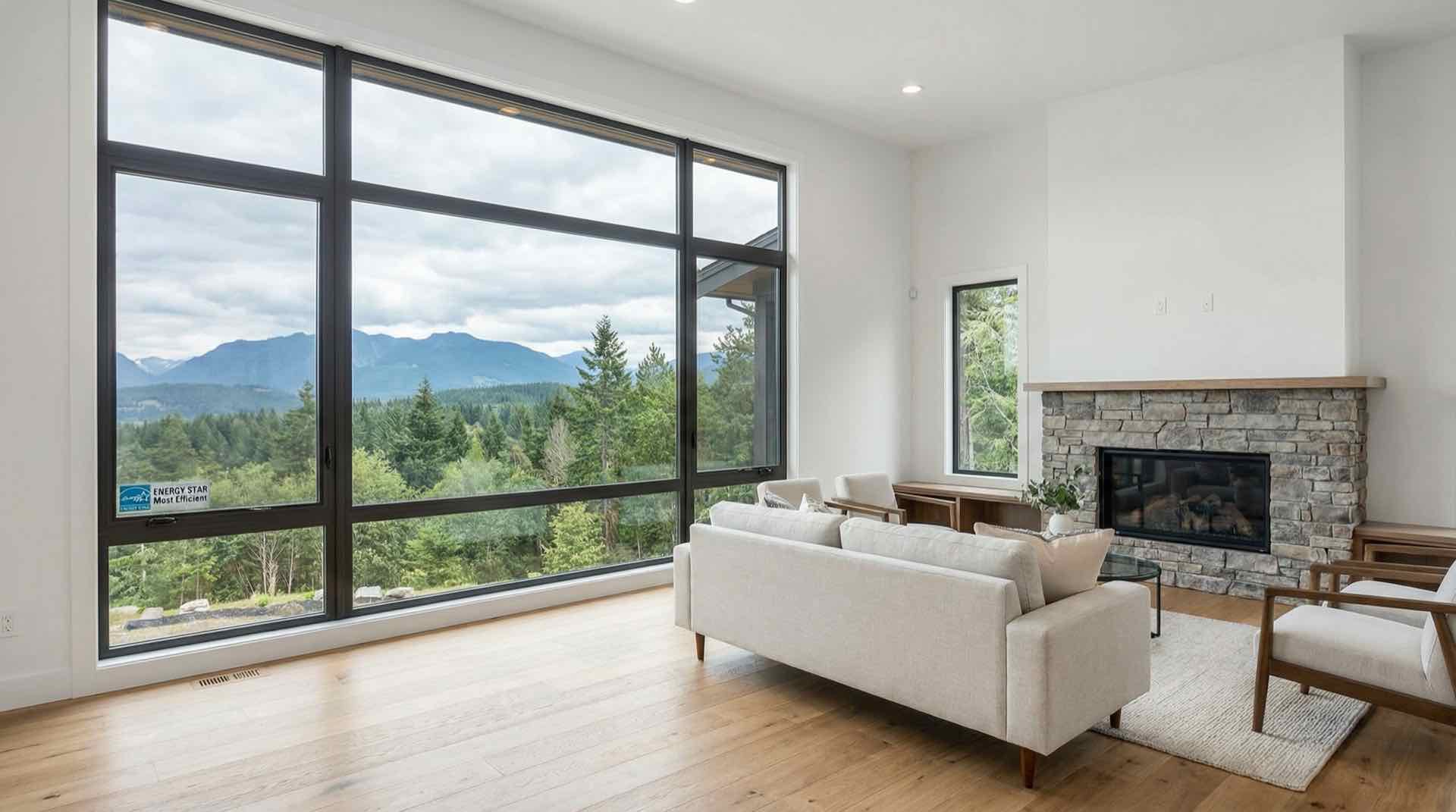
Window replacement is one of the smartest upgrades Vancouver, WA homeowners can make — but costs vary wildly depending on materials, window styles, and installation complexity. National averages don't reflect what Clark County homeowners actually pay, and the 2026 tax credit landscape has shifted dramatically. This guide breaks down realistic local pricing, energy savings specific to the Pacific Northwest, and what incentives remain after the federal 25C credit expired.
Key Takeaways
- Per-window cost: $400–$500 installed for standard vinyl in Vancouver, WA (HomeBlue, 2026)
- Whole-home (15 windows): $6,200–$7,700 for vinyl; more for fiberglass, wood, or specialty styles
- Energy savings: New windows cut heating and cooling costs by 12–13% (Energy Star); windows account for 25–30% of home energy use (DOE)
- Tax credits: Federal 25C credit expired Dec 31, 2025 — local utility rebates still available
- Best for PNW: Vinyl and fiberglass outperform wood and aluminum in moisture and longevity
How much does window replacement cost in 2026?
The national average for a single window replacement is $477 installed (Angi, 2026). In Vancouver, WA, homeowners pay $400–$500 per standard vinyl double-hung window installed, based on 73 completed projects tracked by HomeBlue. West-region homeowners choosing premium materials can expect $850–$1,650 per window (NerdWallet, 2026).
Those ranges cover the window unit plus labor. What pushes cost up or down? Material choice matters most, followed by window style, structural modifications, and whether the existing frame can be reused. Location-specific factors like Clark County labor rates and PNW weatherproofing requirements also play a role.
Most quotes you'll see online skew toward the national average. But Vancouver sits in a higher cost-of-labor market compared to rural areas, and the region's moisture demands push material specs upward. A realistic local estimate is worth more than any national calculator.
What does each window material cost?
Window frame material is the single largest cost variable. Vinyl remains the most popular choice in Clark County, accounting for the majority of residential replacements. Prices below include the window unit and standard installation labor of $100–$300 per window (Modernize, 2025; This Old House, 2026).
| Material | Cost per window (installed) | Best for |
|---|---|---|
| Vinyl | $391 – $834 | Budget-conscious projects, moisture resistance |
| Aluminum | $397 – $846 | Modern aesthetics, slim profiles |
| Fiberglass | $460 – $1,499 | Longevity, low maintenance, PNW climate |
| Composite | $550 – $1,900 | Strength plus wood-like appearance |
| Wood | $875 – $1,865 | Historic homes, interior warmth, high-end projects |
Vinyl dominates the Vancouver market because it handles moisture well, never needs painting, and sits at the lowest price point. Fiberglass is gaining ground among homeowners who want a longer lifespan without the maintenance demands of wood. Aluminum works for contemporary designs but conducts heat, which reduces energy performance.
Wood frames look beautiful from inside but require regular sealing in the Pacific Northwest. If you want the wood look without the upkeep, composite or fiberglass with a wood-grain interior finish is a practical middle ground.
How does window style affect the price?
Beyond material, the window's operating style drives cost. Double-hung windows are the most common replacement in Vancouver homes. Casement and awning styles cost more but offer superior air sealing — a real advantage in the rainy PNW (This Old House, 2026; NerdWallet, 2026).
| Window style | Cost range (installed) | Notes |
|---|---|---|
| Double-hung | $300 – $600 | Most popular; both sashes tilt for cleaning |
| Casement | $300 – $800 | Compression seal; excellent for PNW rain |
| Sliding | $250 – $1,000 | Good for wide openings; wide price range by size |
| Picture / fixed | $300 – $1,300 | No moving parts; best energy performance per dollar |
| Bay / bow | $1,000 – $4,500 | Complex framing; adds interior shelf space |
Casement and awning windows use a compression seal that presses the sash tightly against the frame when closed. This makes them significantly more weather-tight than sliding or double-hung styles — something worth considering when your home faces prevailing westerly winds and rain. Is the added cost worth it? In the Pacific Northwest, we've found it usually is.
Get a Window Estimate
Not sure what your window replacement will cost? Our team provides free, no-pressure estimates for window projects across Clark County.
Request a Free Window EstimateWhat does a whole-house window replacement cost in Vancouver, WA?
Most homeowners don't replace one window — they replace 10 to 20 at once. Based on 2026 pricing data from HomeBlue for standard vinyl double-hung windows in the Vancouver, WA market, here's what full-home projects typically cost.
| Number of windows | Vinyl (installed) |
|---|---|
| 10 windows | $4,100 – $5,100 |
| 15 windows | $6,200 – $7,700 |
| 20 windows | $8,200 – $10,300 |
These figures are for standard vinyl replacement windows with no structural modifications. Upgrading to fiberglass or composite frames, adding bay or bow windows, or choosing triple-pane glass will push costs meaningfully higher. A 15-window fiberglass project, for example, can run $9,000–$22,000 depending on the brand and glass package.
Whole-home projects often qualify for per-window volume discounts from manufacturers. Ask your contractor whether bundling qualifies for rebates from brands like Milgard or Andersen.
How much will energy-efficient windows save in the Pacific Northwest?
Windows account for 25–30% of residential heating and cooling energy use, according to the U.S. Department of Energy. Energy Star-certified windows reduce heating and cooling costs by 12–13% compared to non-certified alternatives (EPA/Energy Star). For PNW homeowners upgrading from single-pane to double-pane Low-E windows, annual savings typically range from $125–$340.
Low-E coatings improve thermal performance by up to 40% by reflecting heat back into the home during winter and blocking solar heat gain in summer. In the Vancouver area, heating dominates energy bills, so a low U-Factor matters more than Solar Heat Gain Coefficient.
Recommended specs for Clark County homes:
- U-Factor: 0.30 or lower (measures heat transfer; lower is better)
- SHGC: 0.25–0.40 (balances winter solar gain with summer heat blocking)
- Air leakage: 0.30 cfm/sq ft or lower
These specs meet Energy Star Northern Climate Zone requirements and maximize long-term savings in the Pacific Northwest. Learn more about our window replacement services to see which products meet these thresholds.
What are the signs you need new windows?
Window replacement isn't always urgent, but postponing it too long costs you in comfort and energy bills. Window lifespan varies by material — vinyl lasts 20–40 years, fiberglass 30–50, and wood 15–30 years (Pella; This Old House). Here are seven signs it's time:
- Age: Windows older than 15–30 years, depending on material, are past their performance peak.
- Drafts: Cold air around closed windows indicates failed seals or warped frames.
- Condensation between panes: Fog or moisture trapped between glass layers means the insulated seal has broken.
- Difficulty opening or closing: Warped frames, broken hardware, or painted-shut sashes signal functional failure.
- Rising energy bills: If heating costs climb without explanation, inefficient windows are a likely contributor.
- Visible damage: Rot, water staining, or soft spots in wood frames mean structural deterioration.
- Excessive outside noise: Modern double-pane windows reduce noise transmission by 25–50% compared to single-pane glass.
| Frame material | Expected lifespan |
|---|---|
| Vinyl | 20 – 40 years |
| Wood | 15 – 30 years |
| Fiberglass | 30 – 50 years |
| Aluminum | 15 – 30 years |
Harsh climates — including the PNW's heavy rainfall and UV exposure — can reduce these lifespans by 20–30% (MI Windows). If your home was built in the 1990s or earlier and still has original windows, replacement is likely overdue.
Not Sure If Your Windows Need Replacing?
We'll inspect your existing windows, assess their condition, and give you honest advice — even if the answer is “they're fine for now.”
Schedule a Free Window ConsultationWhy does the Pacific Northwest climate matter for window selection?
Vancouver, WA receives 1,200–1,400mm of annual rainfall, and wind-driven rain is the primary threat to building envelopes in the region (Sound View Window & Door). Choosing the right window material and installation method matters more here than in drier climates. Poorly installed windows in the PNW lead to water intrusion, mold, and premature frame failure.
Vinyl and fiberglass outperform wood and aluminum for PNW exterior durability. Wood frames absorb moisture and require regular resealing. Aluminum conducts heat and can develop condensation on interior surfaces during cold, humid months.
Western-facing windows take the most UV punishment, which degrades seals and fades interiors over time. Low-E glass is not optional on west-facing elevations — it's a necessity.
Installation quality is just as important as the window itself. Proper flashing, sealant application, and sill drainage protect against the wind-driven rain that causes most window failures in Clark County. A premium window installed poorly will fail faster than a mid-range window installed correctly. That's not a theoretical risk — we've seen it repeatedly on replacement projects where the original install was substandard.
What is the ROI on replacement windows?
Vinyl window replacement returns an average of 67.1% of project cost at resale, adding approximately $16,657 in home value. Wood window replacement returns 62.9%, adding roughly $18,764 (Remodeling Magazine Cost vs. Value Report, 2024–2025). The overall ROI range for window replacement falls between 65–85%, depending on the market and project scope (JLC; Lake Washington Windows).
But ROI at resale only tells part of the story. Energy savings compound over the 20–40-year life of the windows. A homeowner saving $250 per year on heating and cooling recovers $5,000–$10,000 over the window lifespan — on top of the resale value bump.
The strongest ROI scenarios are homes with visibly dated or single-pane windows in neighborhoods with updated competition. Buyers notice windows immediately from the curb and during walkthroughs. New windows also signal that the home has been well maintained, which can influence appraisal values beyond the line-item cost.
Are there tax credits for replacement windows in 2026?
The federal 25C energy efficiency tax credit — which offered up to $600 for qualifying window installations — was terminated as of December 31, 2025, under the One Big Beautiful Bill Act. This credit is not available for windows installed in 2026 or later. It only applies to 2025 installations claimed on your 2025 tax return (IRS).
However, local and utility-based incentives remain available:
- Energy Trust of Oregon: Offers up to $10 per square foot for qualifying window upgrades for NW Natural gas customers in southwest Washington (Energy Trust of Oregon).
- Clark Public Utilities: Announced window efficiency incentives in September 2025. Check their current program offerings for 2026 availability (Clark PUD).
To qualify for most utility rebates, your replacement windows must meet Energy Star requirements — specifically a U-Factor of 0.30 or lower for the Northern Climate Zone. Keep all receipts and manufacturer spec sheets when applying for rebates.
Don't let the end of the federal credit delay your project. Energy savings start immediately, and local incentives can still offset $500–$2,000 depending on your project size and utility provider.
How long does a window replacement project take?
From first call to finished installation, a residential window replacement project in Vancouver, WA typically runs 3–8 weeks. The longest phase is window manufacturing and delivery, not the installation itself (Cobex; Window Replacement Group).
| Phase | Duration |
|---|---|
| Consultation & measurement | 1 – 2 weeks |
| Window ordering & manufacturing | 3 – 6 weeks |
| Installation (10–20 windows) | 1 – 3 days |
| Total start to finish | 3 – 8 weeks |
PNW weather can affect scheduling. Heavy rain makes exterior work difficult, and open window cavities can't be left exposed overnight during wet conditions. Spring through early fall is the ideal installation window — pun intended. If you're planning a winter project, expect potential delays and make sure your contractor has a wet-weather installation protocol.
Custom or specialty windows (bay, bow, arched) add 2–4 weeks to the manufacturing timeline. Standard sizes ship faster from most manufacturers.
Which window brands work best in Vancouver, WA?
The “best” brand depends on your budget, material preference, and aesthetic goals. Four brands dominate the Clark County market, each with different strengths. We install all of them and can help match the right brand to your project.
- Milgard: PNW-based manufacturer with a full lifetime warranty. Strong vinyl and fiberglass lines. Local service and support. Milgard windows
- Andersen: Industry-leading brand recognition. Excellent wood and composite options. Renewal by Andersen offers a premium full-service replacement experience. Andersen windows
- Anlin: West Coast specialist with strong energy performance and competitive pricing. Popular for whole-home vinyl replacements. Anlin windows
- Simonton: Solid mid-range option with reliable warranties and fast lead times.
For a detailed head-to-head comparison of the top three brands, read our Milgard vs. Andersen vs. Anlin window comparison.
Frequently asked questions
How much does it cost to replace all the windows in a house?
For a typical Vancouver, WA home with 15 vinyl double-hung windows, expect $6,200–$7,700 installed (HomeBlue, 2026). Upgrading to fiberglass or adding specialty window styles like bay or bow can push the total to $15,000–$25,000 or more. Volume discounts are common on whole-home projects.
What is the best window material for the Pacific Northwest?
Vinyl and fiberglass are the best performers for PNW conditions. Both resist moisture, handle temperature swings without expanding or contracting excessively, and require minimal maintenance. Fiberglass has the edge for longevity at 30–50 years vs. 20–40 for vinyl. Wood is viable but demands more upkeep in our climate.
Are there still tax credits for windows in 2026?
No. The federal 25C energy efficiency tax credit expired on December 31, 2025. It cannot be claimed for 2026 installations. Local incentives through Energy Trust of Oregon and Clark Public Utilities may still offset some costs — check their current programs before your project begins.
How long does window installation take?
The physical installation of 10–20 windows takes 1–3 days. The entire process from consultation through completion runs 3–8 weeks, with window manufacturing being the longest wait. Custom sizes and specialty styles add 2–4 additional weeks.
Do replacement windows require a permit in Clark County?
Like-for-like window replacements (same size, same location) typically do not require a building permit in Clark County. If you're changing window sizes, adding new openings, or modifying structural headers, a permit is required. GVX handles permitting when needed.
Does GVX serve areas outside Vancouver, WA?
Yes. We serve all of Clark County and surrounding communities including Camas, Washougal, Battle Ground, and Ridgefield. See our service areas page for the full list. Our window replacement services page has details on what we offer.
Sources & references
- U.S. Department of Energy — Energy-Efficient Windows
- EPA / Energy Star — Residential Windows
- Remodeling Magazine — 2024–2025 Cost vs. Value Report
- Angi — Window Replacement Cost Guide 2026
- HomeBlue — Window Replacement Cost Vancouver, WA
- NerdWallet — Window Replacement Cost 2026
- IRS — Energy Efficient Home Improvement Credit
- Energy Trust of Oregon — Window Incentives
- Clark Public Utilities — Energy Efficiency Programs
- Modernize — Window Replacement Cost 2025
- This Old House — Window Replacement Cost 2026
Written by
GVX Remodeling Team
Window replacement cost and planning guidance from the GVX Remodeling team, helping Clark County homeowners make informed decisions about energy efficiency and home value.