Aging-in-Place Bathroom Remodel in Vancouver, WA: Design, Safety, and Cost
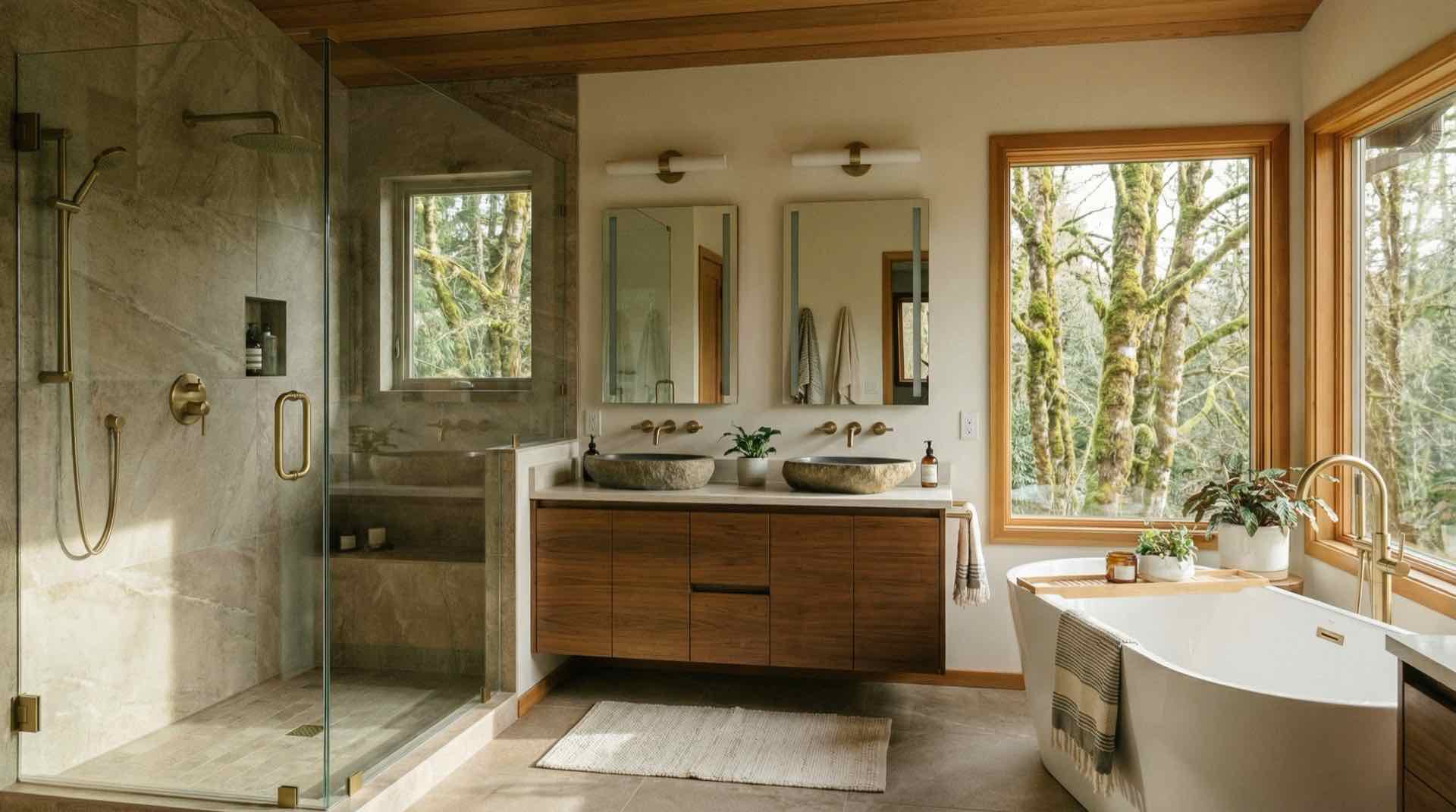
An aging-in-place bathroom focuses on safety, comfort, and dignity without sacrificing style. In Vancouver, WA, the right layout, materials, and fixture choices can reduce fall risk and make daily routines easier for years to come. This guide covers design standards, shower and tub options, costs, and a planning checklist tailored to Clark County homeowners.
Accessibility Planning
Need a safer bathroom now or planning for the future? We can assess your space and build an accessibility roadmap.
Schedule an Accessibility ConsultWho benefits from an aging-in-place bathroom?
Aging-in-place design is not only for seniors. It benefits anyone who wants safer daily routines, caregivers managing mobility challenges, or families planning for future needs. A well-designed bathroom supports independence and can reduce the need for costly relocations later.
Planning early is often more cost-effective than reacting after an injury or health change. A proactive remodel allows you to make design choices calmly, select preferred materials, and coordinate the work on your timeline.
Common situations that benefit from accessibility-focused remodeling include:
- Homeowners planning long-term residence in their current home.
- Multigenerational households with varying mobility needs.
- Post-surgery recovery or temporary mobility challenges.
- Homeowners who want a safer, lower-maintenance bathroom.
GVX provides dedicated services for senior and ADA bathroom remodelingacross Clark County.
Design process and planning steps
A successful accessibility remodel starts with an assessment of how the space is used today and how it may need to work in the future. We look at circulation patterns, mobility needs, and caregiver requirements before defining the layout.
- In-home assessment and goal setting.
- Layout options with clearances and safety features.
- Material selection for durability and maintenance.
- Scope and timeline planning with permitting.
- Construction and final safety walk-through.
This structured approach ensures that safety upgrades integrate seamlessly with design preferences and long-term comfort.
Safety-first layout and clearances
A safe layout starts with space. Wider doorways, clear floor space, and predictable circulation reduce trip hazards and make transfers easier. The goal is to create clear, unobstructed paths between the entry, vanity, toilet, and bathing zone.
Even in smaller bathrooms, thoughtful layout changes can make a big difference. Removing a bulky vanity, relocating a door swing, or creating a more direct path to the shower can improve safety without major square footage changes.
We also evaluate thresholds and transitions. A flush or gently sloped entry reduces trip risk, and lever-style door hardware is easier to operate for users with limited grip strength.
Key layout targets that work well in real-world homes include:
- Door clearances that allow easy access with mobility aids.
- Open floor areas for turning and assisted movement.
- Vanity placement that avoids tight corners or pinch points.
- Toilet spacing that allows grab bar access on both sides.
Many Vancouver homes can achieve these improvements without a full addition. If a major reconfiguration is needed, we can help with a phased plan through our bathroom remodeling services.
Universal design vs ADA guidance
Universal design focuses on comfort and accessibility for everyone, while ADA guidelines provide more technical standards. In a residential setting, we often blend the two: use ADA-inspired clearances and safety features, but tailor the details to your space and lifestyle.
This means you can achieve a safer bathroom without creating an institutional feel. Wider doorways, better lighting, and a curbless shower are examples of universal design elements that look modern and work well for all ages.
Shower, tub, or hybrid?
The bathing zone is the most important safety decision. For most homeowners aging in place, a curbless shower with a bench is the safest and easiest to use. Walk-in tubs are another option for those who prefer soaking, but they require longer fill and drain time and must be carefully placed.
We recommend a handheld showerhead on a sliding bar so it can be adjusted for seated or standing use. Built-in niches for soap and shampoo reduce the need to reach or bend.
Drain placement and slope are also critical for curbless showers. A properly sloped pan prevents standing water and keeps the floor safe. This is one of the reasons professional installation matters for accessibility-focused bathrooms.
Common options include:
- Curbless walk-in shower with a fixed bench and handheld shower. See shower remodeling.
- Tub-to-shower conversions for improved access. Learn about tub-to-shower conversions.
- Walk-in tubs with secure doors and built-in seats. Explore walk-in bathtubs.
If you are deciding between options, use this simple comparison table to weigh comfort, safety, and maintenance.
| Option | Best for | Considerations |
|---|---|---|
| Curbless shower | Daily safety, easy access | Requires precise waterproofing and slope |
| Walk-in tub | Soaking and therapeutic use | Longer fill/drain time, requires space |
| Hybrid shower + tub | Families needing both | May reduce accessibility compared to curbless |
Key features that reduce falls
Small features make a huge difference in daily safety. In the bathroom, falls often happen during transitions: stepping into a tub, standing on slippery tile, or reaching for towels. The following upgrades are proven to reduce risk:
- Slip-resistant flooring with appropriate texture.
- Grab bars anchored to framing at shower and toilet.
- Comfort-height toilets for easier sitting and standing.
- Lever-style handles instead of knobs.
- Bright, layered lighting with night lighting near the floor.
We often pair these features with durable surfaces and easy-clean materials for long-term maintenance. Vancouver's wet climate makes moisture-resistant flooring and proper waterproofing especially important.
Non-slip flooring does not have to look utilitarian. Many porcelain tiles and textured vinyl options are designed for slip resistance while still providing a modern, high-end look.
Lighting and visibility upgrades
Good lighting reduces falls and makes daily tasks easier. We recommend layered lighting: overhead ambient light, focused task lighting at the vanity, and low-level night lighting to guide movement at night.
For aging eyes, higher color rendering and consistent brightness matter more than sheer wattage. Dimmable LEDs, under-vanity strip lights, and backlit mirrors can improve visibility without glare.
When possible, we maximize natural light with frosted windows or skylights. Diffused daylight provides even illumination and can reduce eye strain during morning and evening routines.
Comfort and dignity upgrades
Accessibility does not mean clinical. Modern products allow safe bathrooms that still feel warm and stylish. Consider upgrades like heated floors, soft-close drawers, wall-mounted vanities with knee clearance, and frameless glass for clean sightlines.
Comfort features such as towel warmers, temperature-controlled floors, and quiet ventilation fans improve daily experience and reduce strain. These details are often modest additions to the overall budget but provide meaningful long-term value.
Many homeowners also want more storage and better organization. This is a great time to add built-in shelving, medicine cabinets, and a vanity configuration that keeps essentials within reach.
Storage and organization
Accessible storage reduces bending and reaching. We often use pull-out shelves, drawer organizers, and mirrored cabinets to keep daily items easy to access. Tall storage towers can hold towels and supplies without cluttering the floor.
The goal is to reduce the need for step stools or awkward movements. Thoughtful storage also keeps the room visually calm, which can be a big comfort for long-term use.
Caregiver-friendly features
If a caregiver assists with bathing or mobility, space and layout are even more important. Wider clearances, a larger shower area, and two-sided access to the toilet make assistance easier and safer.
We also plan for stable transfer points, such as a bench positioned near the shower entry and grab bars located for both seated and standing support.
We also recommend anti-scald valves, easy-to-use controls, and storage for medical supplies or mobility aids. These details make daily routines smoother and more comfortable for everyone involved.
Materials and maintenance choices
Aging-in-place bathrooms should be easy to clean and durable over time. We typically recommend porcelain tile, solid surface surrounds, and moisture-resistant cabinetry because they handle daily use and humidity better than porous materials.
Contrasting colors can improve visibility for users with limited vision. For example, a darker floor and lighter wall tile help define edges and reduce missteps.
For flooring, textured porcelain or high-quality luxury vinyl provides a balance of slip resistance and easy cleaning. We also look at grout color and size to reduce maintenance. Larger tiles with fewer grout lines can be easier to keep clean, while smaller tiles may provide more traction.
- Porcelain tile: durable, water-resistant, and versatile.
- Solid surface panels: fewer seams and easy maintenance.
- Matte finishes: reduce glare and improve safety.
Smart features and controls
Technology can improve safety when used thoughtfully. Motion-sensor lighting, smart exhaust fans with humidity sensors, and programmable water temperature controls can make the bathroom easier to use and reduce risks.
Simple controls with large labels are often better than complex touch panels, especially for users with reduced vision.
We also install touchless faucets and voice-controlled lighting for homeowners who prefer minimal physical effort. These features can be subtle and still match a clean, modern aesthetic.
Maintenance and cleaning plan
A low-maintenance bathroom is safer because it stays clean and dry. We design with easy-to-reach surfaces, fewer seams, and durable finishes that withstand frequent cleaning without losing their appearance.
We can also recommend cleaning products that protect finishes while keeping slip resistance intact.
Consistent upkeep is the key to long-term safety.
We also recommend a simple annual check of caulk lines, grab bar fasteners, and drain performance. These small checks prevent bigger maintenance issues and keep the space safe.
Simple maintenance habits also preserve safety. Regularly cleaning grab bars, keeping floors dry, and checking caulk lines prevents slip hazards and moisture damage. We provide a basic care guide at project completion so you know how to protect your investment.
Ventilation and waterproofing in the Pacific Northwest
Moisture control is critical in Clark County. Proper ventilation protects against mold and keeps finishes looking new. We typically include upgraded exhaust fans, humidity-sensing controls, and robust waterproofing systems in every accessible bathroom.
This is especially important for curbless showers, which rely on precise slope and waterproofing to prevent water migration. We use proven membranes and detailing methods to keep these systems reliable over the long term.
If your remodel includes re-tiling or a new shower base, we can upgrade waterproofing layers to modern standards. This protects the structure and avoids costly repairs later.
Cost ranges and timeline in Vancouver, WA
Aging-in-place bathrooms can range from modest safety upgrades to full renovations. Typical ranges include:
- Safety upgrades only: $2k - $8k
- Walk-in shower conversion: $8k - $18k
- Walk-in tub installation: $6k - $15k
- Full accessible bathroom remodel: $20k - $55k+
The final cost depends on layout changes, waterproofing needs, and the level of finish you select. For example, a curbless shower with custom tile and frameless glass will be more expensive than a standard insert, but it often provides the safest long-term use.
We encourage homeowners to set allowances for fixtures and finishes early. This keeps decisions aligned with the budget and avoids last-minute substitutions that can affect safety or durability.
Most accessible bathroom remodels take 2-5 weeks depending on scope and material lead times. We provide a detailed schedule before construction starts.
Funding and financing options
Some homeowners use a mix of financing and savings to fund accessibility upgrades. GVX offers multiple financing paths and can align the option with your timeline. Learn more about our financing optionsfor remodeling projects.
Some homeowners also explore local aging-in-place programs or community grants. Availability changes over time, so we recommend checking local resources during the planning phase.
If you are planning multiple improvements, a phased approach can keep costs manageable. We can help prioritize a safety-first phase and then plan comfort upgrades later.
Permits and inspections
Many accessibility remodels require permits when plumbing, electrical, or ventilation changes are involved. We handle the permitting process and coordinate inspections so safety upgrades meet code and are documented properly. If you want a deeper look, read our permit and inspection guide.
Choosing the right contractor
Accessibility remodeling requires attention to detail and a strong understanding of safety standards. Look for a contractor who can explain layout decisions, recommend appropriate fixtures, and document permits and inspections clearly.
Ask about licensing, insurance, warranty coverage, and how the team handles change orders. These factors matter because safety upgrades must be installed correctly to perform as intended.
At GVX, our team brings local knowledge of Vancouver and Clark County codes, plus experience integrating safety features without sacrificing design. We focus on durable materials and clear communication so you know exactly what to expect during the remodel.
Common mistakes to avoid
The most frequent mistakes involve underestimating clearances, skipping waterproofing upgrades, or choosing fixtures that are hard to use. Avoid these pitfalls by planning holistically and prioritizing safety over short-term savings.
- Installing grab bars without proper backing.
- Using glossy tile that becomes slippery when wet.
- Ignoring ventilation upgrades in humid bathrooms.
- Prioritizing aesthetics over ease of use.
Design checklist for a safer bathroom
Use this checklist to review your bathroom before the design phase:
- Clear entry path without narrow pinch points.
- Grab bar backing installed before tile.
- Non-slip flooring and minimal threshold transitions.
- Shower bench or seat with handheld showerhead.
- Comfort-height toilet and easy-to-reach storage.
- High-quality lighting and night lighting.
- Ventilation sized for the room.
If you work with an occupational therapist or caregiver, share this checklist so their recommendations can be incorporated early.
Build a Safer Bathroom Plan
We will assess your layout, recommend safety upgrades, and deliver a clear scope and cost range.
Request an EstimateAging-in-place bathroom FAQ
Do I need to follow full ADA guidelines in a home?
Not necessarily. Residential remodels can use ADA guidance as a benchmark while adapting to your space and preferences.
Is a walk-in shower always the best choice?
For many homeowners, yes. But some prefer a walk-in tub for soaking. We can help weigh safety, comfort, and maintenance.
Will grab bars make my bathroom look clinical?
Modern grab bars are available in designer finishes and can blend seamlessly into the overall design.
How long does a typical remodel take?
Most projects take 2-5 weeks, depending on scope and permitting.
Can I stay in my home during the remodel?
Yes, especially if there is a second bathroom. We can phase work to keep disruption minimal.
Do you offer accessibility upgrades outside Vancouver?
Yes. We serve multiple Clark County cities. See our service areasfor local options.
Sources & references
- U.S. Department of Health & Human Services: Falls prevention resources
- Centers for Disease Control and Prevention (Home fall safety)
- U.S. Environmental Protection Agency (WaterSense fixtures)
Written by
GVX Remodeling Team
Accessibility-focused guidance from the GVX Remodeling team to help Clark County homeowners create safer, more comfortable bathrooms.